


Are box elder bugs considered a danger to humans? If you’ve ever encountered one of these mysterious bugs, you may be curious as to the potential risks they pose to humans and our surroundings. We’ll go over the mysteries of the box elder bugs in this article, which will also go over the science of them. Are they truly a threat to American homes, gardens, and structures, or is their reputation undeserved?
Throughout this article, we will take you on a journey through the fascinating aspects of these insects, from their life cycle to their ecological significance. The topics of this section will include practical tips on keeping box elder bugs at bay, as well as keeping a harmonious coexistence between these unique creatures and box elder bugs. By exploring the secrets of box elder bugs, you will learn more about their role in the American ecosystem.

When we delve into the enigmatic world of box elder bugs, it becomes apparent that these peculiar insects have distinct physical characteristics and a habitat that defines their existence. To understand box elder bugs, we must first recognize their unique traits and the environments they call home.
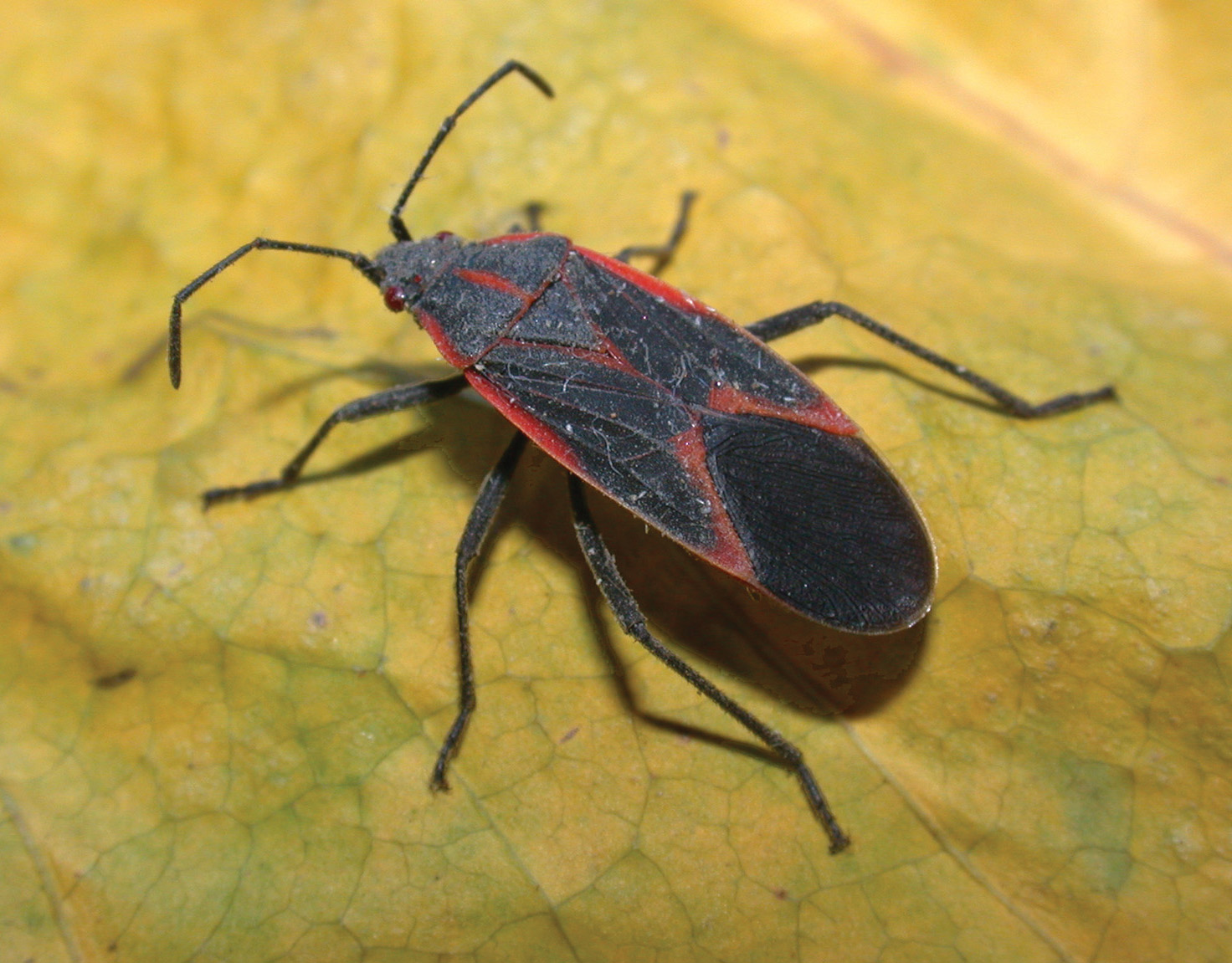
Physical Characteristics: Box elder bugs, scientifically known as Boisea trivittata, are modest-sized insects that belong to the family Rhopalidae. Their most striking feature is their coloring, which sets them apart in the insect kingdom. Adult box elder bugs are typically half an inch in length, with an elongated, slender body. What makes them truly distinctive is their striking coloration - a deep, matte black punctuated by vibrant red or orange markings. These markings extend across their wings, forming a striking ‘X’ pattern, giving them their other name, ‘red-shouldered bugs.’ The vivid contrast of black and red not only serves as a warning sign to predators but also makes them easily identifiable to humans.
Box elder bugs, like many insects, exhibit sexual dimorphism. This means that there are observable differences between males and females. The males tend to have more slender bodies, while the females have a slightly rounder abdomen. These insects are also equipped with specialized mouthparts for piercing and sucking, which they use to feed on the sap of their host trees, primarily box elder trees (Acer negundo), but also other related species like maple and ash trees.
Habitat: Understanding the habitat of box elder bugs is essential for comprehending their life cycle and behavior. These insects are predominantly native to North America, with their range spanning from Canada to Mexico. They are commonly found in areas where their host trees thrive, such as woodlands, parks, and residential neighborhoods. Box elder bugs prefer to reside in warm and sheltered spaces, especially during the colder months.
During the warmer seasons, they primarily inhabit their host trees, feeding on the sap. However, as temperatures drop, they seek shelter to survive the winter. This is where they often become a concern for homeowners. Box elder bugs have a knack for infiltrating homes, seeking refuge in the cracks and crevices of walls and roofs. Their presence in large numbers indoors can be unsettling, but it’s essential to recognize that they are not seeking to harm or damage the structures; rather, they are searching for warmth and shelter.
Life Cycle and Behavior: The life cycle of box elder bugs is a fascinating journey, with several distinct stages. It begins with eggs laid on the leaves, bark, or branches of their host trees. After hatching, the young nymphs go through a series of molts, gradually developing their signature black and red markings as they mature. The nymphs feed on the sap of the host trees, using their specialized mouthparts.
As the weather turns colder, adult box elder bugs prepare for overwintering. They gather in large numbers on tree trunks or in buildings. While they are not considered harmful to humans, their presence can be a source of annoyance due to their tendency to congregate indoors. Box elder bugs emerge from their overwintering sites in the spring, seeking food sources and mates to continue the cycle.
In terms of behavior, box elder bugs are not aggressive, and they do not bite or sting. They rely on their warning coloration to deter predators, sending a clear message that they are unpalatable. Their primary interaction with humans occurs when they enter homes for shelter, but they do not cause structural damage or pose health risks.
In essence, understanding box elder bugs involves appreciating their unique physical attributes, recognizing their habitat preferences, and comprehending their life cycle and behavior. While their appearance may startle, and their indoor presence might be unsettling, these insects are ultimately harmless to humans and play a role in the intricate tapestry of North American ecosystems.

When it comes to understanding the lifestyle and habits of box elder bugs, their dietary preferences take center stage. The primary food sources of these unique insects play a vital role in their ecology, and understanding how their feeding habits impact plants and trees is key to comprehending their place in the natural world.
Primary Food Sources: Box elder bugs, as their name suggests, have a strong affinity for the box elder tree (Acer negundo) as their primary food source. They primarily feed on the sap of these trees, drawing sustenance from the nutrient-rich fluids that flow within. The box elder tree is the cornerstone of their diet, providing the essential nourishment that allows them to thrive and complete their life cycle.
While the box elder tree is their preferred source of sustenance, box elder bugs are not limited to a single menu item. These adaptable insects can also feed on other closely related tree species, including various types of maples and ash trees. This adaptability to different host trees ensures that they can find food sources even when box elder trees are not readily available.
Impact on Plants and Trees: Understanding how box elder bugs’ feeding habits can impact plants and trees requires a closer look at the mechanics of their sap consumption. The insects use their specialized mouthparts to pierce the tree’s vascular system and access the sap. This method of feeding, known as piercing-sucking, allows them to extract the nutrient-rich liquid from the plant.
While individual box elder bugs may not cause significant harm to their host trees, their collective feeding can lead to some consequences. The act of piercing the tree’s vascular system can introduce the risk of fungal infections or other pathogens. In cases of severe infestation, the combined damage from a large population of box elder bugs can weaken the host tree, making it more susceptible to disease and environmental stressors.
It’s important to note that box elder bugs are not considered destructive pests to trees or plants, and their impact on the ecosystem remains relatively minimal. Their feeding habits are part of a delicate balance in nature, where insects and plants coexist in complex relationships. In fact, the insects have evolved to extract sap without causing severe harm to their host trees.
In summary, the box elder bug‘s diet revolves around the sap of box elder trees, although they can adapt to related tree species when necessary. While their feeding habits may introduce some risk to their host trees, their overall impact on plants and trees in their ecosystem remains manageable and does not classify them as destructive pests. Understanding their role as sap feeders helps us appreciate their ecological significance and their unique place in the natural world.
Understanding how box elder bugs infiltrate American homes is a matter of unraveling the fascinating dynamics between these insects and human habitats. These peculiar insects, known for their striking black and red coloration, often find their way into residential areas, prompting homeowners to wonder how they gain entry and what lures them to our homes.
How Box Elder Bugs Enter Homes:
Cracks and Crevices: Box elder bugs are experts at infiltrating homes through small openings. They can slip through cracks and crevices in walls, roofs, doors, and windows, seeking shelter and warmth. Their flattened bodies enable them to access tight spaces, making it difficult to keep them out.
Warmth-Seeking: As temperatures drop in the fall, box elder bugs embark on a quest for warmth and shelter. They are drawn to the heat radiating from our homes and are particularly inclined to enter through attics, basements, and crawl spaces.
Following Light: Box elder bugs have a tendency to be phototropic, meaning they are attracted to sources of light. This behavior often leads them to congregate on sunny sides of buildings. When they detect light or warmth emitting from windows, they may gather in large numbers, inadvertently finding their way inside.
Gaps and Vents: They can exploit gaps around vents, chimneys, and utility entrances. These openings serve as convenient entry points for box elder bugs, allowing them to slip through unnoticed.
Reasons They Are Attracted to Residential Areas:
Heat and Light: Residential areas offer the perfect combination of heat and light that box elder bugs find irresistible. As the bugs seek warmth to overwinter, they are naturally drawn to the cozy and well-lit environs of homes.
Host Trees: The proximity of residential areas to their host trees, particularly box elder trees, is a significant attraction. These trees are often found in or near neighborhoods, making it convenient for the bugs to find suitable food sources and shelter.
Inadvertent Attraction: The box elder bugs’ attraction to homes can also be inadvertent. They may cluster on exterior walls due to their phototactic nature, and in their quest for light and warmth, they unwittingly end up inside.
Overwintering Habit: Overwintering is a natural survival strategy for box elder bugs. As the cold weather sets in, they seek refuge to escape the elements. Residential areas, with their climate-controlled environments, become enticing hideaways.
V. Are Box Elder Bugs Harmful to Humans?
As box elder bugs grace our homes and gardens with their distinctive presence, it’s natural to wonder whether these peculiar insects pose any health risks to humans. After all, their striking black and red appearance and tendency to gather in sizable numbers can be a source of concern for many. In this exploration, we will delve into the potential impact of box elder bugs on human health, examining whether they are truly harmful and if their presence can lead to allergic reactions or skin irritations.
Health Risks to Humans:
Biting and Stinging: The first question that often arises is whether box elder bugs can bite or sting humans. The good news is that these insects are not known to possess any biting or stinging capabilities. Unlike some of their more aggressive counterparts, such as wasps or ants, box elder bugs are passive in their interactions with humans.
Disease Transmission: Another aspect to consider is whether box elder bugs can act as vectors for diseases. However, there is no scientific evidence to suggest that they carry or transmit diseases that are harmful to humans. This is a reassuring fact for those who may come into contact with them.
Allergic Reactions and Skin Irritations:
Allergies: While box elder bugs themselves are not inherently harmful, some individuals may be sensitive or allergic to insect bites in general. In rare cases, people with insect allergies may experience mild allergic reactions when bitten. These reactions typically manifest as localized itching, redness, or mild swelling.
Skin Irritations: The presence of box elder bugs in large numbers can lead to skin irritations for some individuals. This is particularly true for those who inadvertently crush these insects against their skin or come into contact with their excrement. The irritants in their excrement may cause minor skin discomfort, such as itching or redness.
It’s important to note that these allergic reactions and skin irritations are relatively uncommon and tend to affect only a small percentage of people. For the majority, box elder bugs are harmless and do not provoke any health-related issues.

The presence of box elder bugs in and around homes can be a cause for concern, leading many to question whether these seemingly innocuous insects can actually inflict damage on the structures that provide shelter and comfort. In this exploration, we aim to unravel the truth behind whether box elder bugs have the capacity to cause structural damage to buildings, focusing on their impact on wooden structures, insulation, and siding.
Impact on Wooden Structures:
Wooden Surfaces: Box elder bugs are not naturally inclined to damage wooden structures directly. They do not bore into or consume wood, unlike termites or carpenter ants, which pose genuine threats to the integrity of wooden elements in buildings.
Indirect Risks: While box elder bugs themselves do not harm wooden structures, they can inadvertently contribute to existing issues. They are known to secrete a staining substance, which, when excreted on surfaces, can potentially lead to discoloration. However, this is primarily a cosmetic issue and does not affect the structural soundness of the wood.
Accumulation: In the case of severe infestations, the sheer numbers of box elder bugs can create a nuisance, as they tend to cluster on the sunny sides of buildings. Their aggregation, while not directly causing structural damage, can pose a disturbance, leading to homeowners seeking remedies to mitigate their presence.
Impact on Insulation:
Insulation Materials: Box elder bugs do not target or consume insulation materials. They do not chew through or damage insulation as some pests might. Consequently, insulation within walls or attics is typically safe from their influence.
Presence within Insulation: In rare instances, box elder bugs may find their way into wall cavities or attics, often through small openings. While their presence inside these spaces may be undesirable, it is more of a nuisance than a direct threat to insulation material itself.
Impact on Siding:
Exterior Siding: Similar to their interaction with wooden structures, box elder bugs do not harm exterior siding materials directly. They do not chew or gnaw on siding materials, and they do not create holes or tunnels in them.
Excrement Staining: The primary concern related to siding is the staining caused by the excrement of box elder bugs. If large numbers of these insects congregate on the exterior of a building and deposit their excrement, it can result in unsightly stains. These stains are generally cosmetic and do not compromise the integrity of the siding.
As the warm sun graces our gardens and fields, the presence of box elder bugs can spark concern among gardeners and farmers alike. These insects, known for their striking black and red coloring, can congregate in significant numbers, leaving individuals to wonder about the effects of box elder bugs on gardens and crops. This exploration delves into the intricate relationship between these insects and the plant life they encounter, assessing the impact of their feeding habits on gardens and crops.
Effects on Gardens and Crops:
Feeding Habits: Box elder bugs are primarily herbivorous, feeding on the sap of various trees, including box elder trees, maple trees, and ash trees. While they primarily target trees, their feeding habits can extend to other plants, particularly during the fall when their preferred food sources become scarce.
Damage to Plants: The feeding habits of box elder bugs can have a direct impact on plants. They use their specialized mouthparts to pierce plant tissues and extract sap. While individual bugs may not cause severe damage, the cumulative effect of a large population can lead to wilting, discoloration, and reduced plant vitality.
Potential Yield Reduction: In agricultural settings, the presence of box elder bugs can be a concern, especially if crops are grown in proximity to host trees. Their sap-feeding behavior can lead to stress on plants, potentially reducing crop yields. Crops that are particularly susceptible to damage include fruit trees, ornamental plants, and certain vegetables.
Secondary Concerns: While box elder bugs can harm plants through their feeding, it’s important to note that the primary purpose of their feeding is to obtain sap rather than causing intentional harm to plants. The damage they inflict is generally not as severe as that caused by some other plant-feeding insects.
In the intricate tapestry of nature, every organism, no matter how seemingly inconspicuous, plays a role. The same holds true for box elder bugs, which, though they can gather in significant numbers, are not without their natural predators and the potential for effective control measures. In this exploration, we delve into the world of box elder bug management, discussing the natural predators that help keep their populations in check and exploring various methods for preventing or managing infestations.
Natural Predators:
Birds: A wide variety of birds, including sparrows, swallows, and robins, are known to feast on box elder bugs. These avian predators are particularly active during the warmer months when box elder bugs are abundant.
Spiders: Spiders are natural predators of many insects, including box elder bugs. They often set up webs in areas where the insects congregate, patiently awaiting their prey.
Praying Mantises: Praying mantises are skilled hunters and are known to feed on box elder bugs when the opportunity arises. Their predatory nature makes them valuable allies in keeping bug populations in check.
Assassin Bugs: Assassin bugs are aptly named for their predatory habits. They are known for their ability to hunt a variety of insects, including box elder bugs.
Parasitoid Wasps: Certain species of parasitoid wasps lay their eggs on box elder bugs. When the wasp larvae hatch, they consume the bugs from the inside, effectively reducing their numbers.
Control Measures:
Sealing Entry Points: The first line of defense against box elder bug infestations is to seal entry points into homes. Cracks, gaps, and openings in walls, doors, and windows should be addressed to prevent their infiltration.
Remove Host Trees: If possible, consider removing box elder trees or other preferred host trees from your property. This can reduce the attractiveness of your surroundings to these insects.
Chemical Insecticides: In cases of severe infestations, chemical insecticides can be used as a last resort. It’s important to use them with caution and follow manufacturer instructions.
Vacuuming: A simple and non-toxic method to control box elder bugs indoors is to use a vacuum cleaner to remove them. Be sure to empty the vacuum bag or canister promptly.
Professional Pest Control: When infestations are persistent or widespread, it may be wise to seek the expertise of professional pest control services. They can assess the situation and implement appropriate control measures.
Preventative Sprays: Applying preventative insecticide sprays to the exterior of your home in the early fall can deter box elder bugs from congregating on walls and seeking entry.
In the intricate tapestry of human cultures, the significance of various creatures often weaves its way into myth, folklore, and tradition. Box elder bugs, with their distinctive black and red markings, have not been immune to capturing the human imagination. While not a creature that typically garners global fame, they have earned a place in the cultural tapestry of certain regions. Here, we highlight the unique cultural significance and intriguing myths associated with box elder bugs.
Cultural Significance:
Harbingers of Fall: In some regions, the arrival of box elder bugs is seen as a harbinger of the fall season. Their conspicuous presence often coincides with the transition from summer to autumn, marking the changing of the seasons.
Ecological Indicators: Among nature enthusiasts and environmentalists, the presence of box elder bugs is sometimes seen as an ecological indicator. Their congregation on trees, rocks, and buildings can be interpreted as a sign of the overall health of local ecosystems.
Photographic Subjects: For photographers and nature enthusiasts, box elder bugs can be fascinating subjects. Their striking appearance and tendency to gather in clusters make them appealing targets for macro photography, especially during the fall.
Myths and Folklore:
Good Luck Charms: In certain cultures, box elder bugs are considered symbols of good luck and fortune. Their presence is believed to bring positive energy and blessings to those who encounter them.
Protectors of Trees: In some regions, there is a belief that box elder bugs serve as protectors of trees. It is thought that their presence helps to ward off other, more destructive pests that can harm trees.
Weather Predictors: Folklore in a few areas suggests that the behavior of box elder bugs can be used to predict the weather. For instance, their congregation on the sunnier side of buildings might be taken as a sign of fair weather.
A Connection to the Spirit World: In certain Indigenous cultures, box elder bugs are seen as mediators between the human world and the spirit world. Their appearance may be interpreted as messages or signs from the spiritual realm.
Bringers of Fertility: There are regions where box elder bugs are believed to bring fertility and prosperity. Their presence in gardens and agricultural fields may be viewed as an auspicious sign for bountiful harvests.
Finally, box elder bugs, despite being a familiar sight to many Americans, are not as dangerous as they appear at times. Despite the fact that these insects do not carry diseases, bite, or pose any direct health risks to humans or pets, they are known to carry diseases. A frustration that homeowners experience stems from their sheer number as well as the nuisance that they create.
Throughout the article, we’ve described the various aspects of box elder bugs, from their physical appearance to their diet and habitat. Furthermore, in light of their periodic presence in American homes and gardens, we have discussed whether they pose a structural risk.
Box elder bug infestations can be managed and prevented with the proper strategies, which are available for those who are dealing with them. Keeping their population under control can be accomplished by sealing entry points, using natural predators in their gardens, and maintaining proper garden care.
Box elder bugs, for example, can be found in the natural world at a variety of points. They serve as a food source for some creatures and are also important contributors to the ecosystem in their own right, balancing the delicate balance of nature.
Box elder bugs may not be the most popular of household pests, but they are not generally regarded as dangerous pests in our homes or gardens. By understanding their behavior and taking proactive steps to reduce their numbers, we can peacefully coexist with these fascinating insects while also recognizing their importance in the environment.


