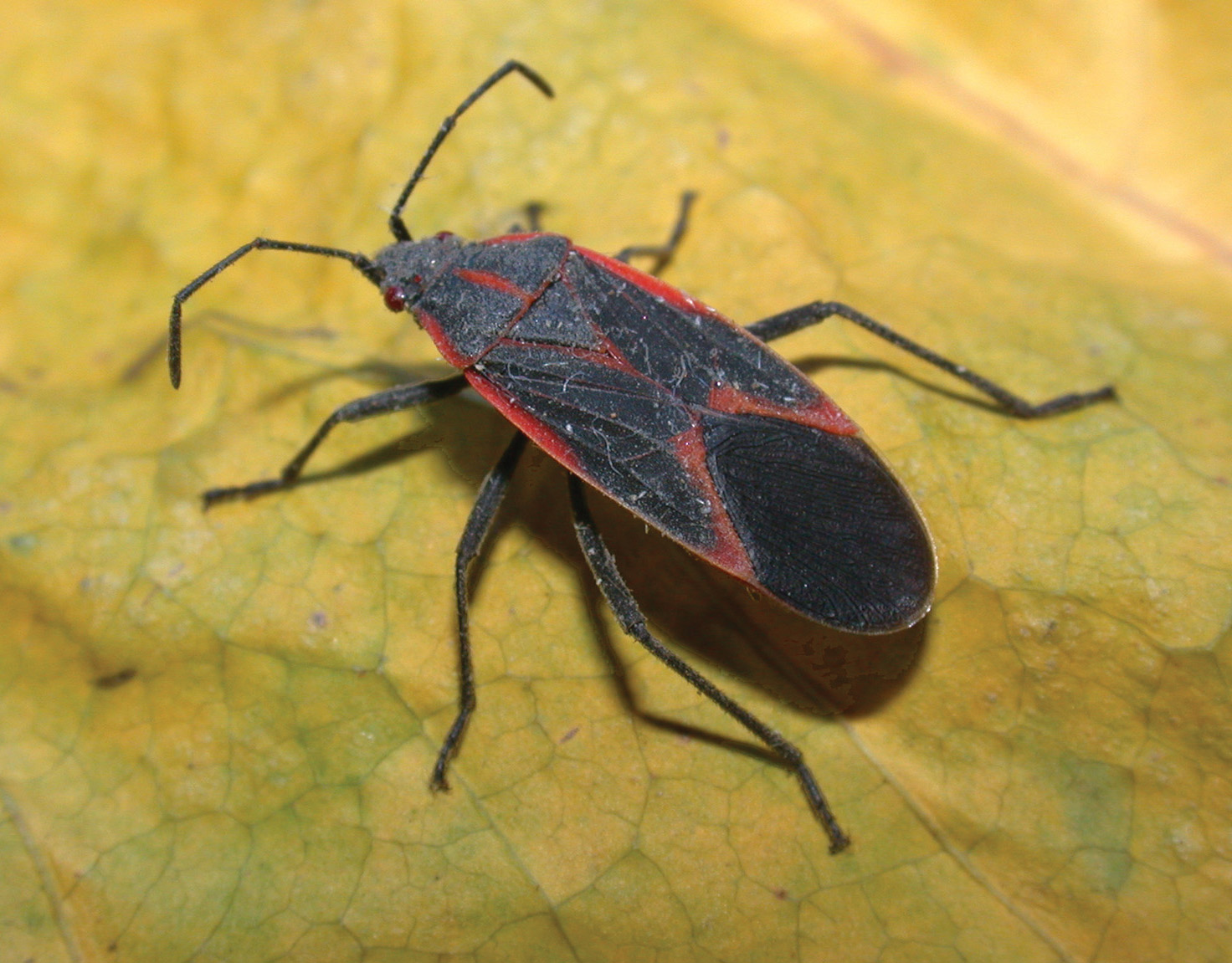
Have you ever wondered if those tiny, unwelcome guests in your kitchen, also known as pantry pests, have the ability to jump? If so, have you seen them darting across your pantry shelves or questioning their agility? In this article, we will look at pantry pests, their jumping abilities, and the story behind their popularity.
A pantry pest is typically not known for its jumping ability. To combat these annoying intruders, they crawl or fly around. Analyzing their movements and behavior is required for effective pest management and eradication. Let’s take a closer look at pantry pests and how they live in a kitchen.
The next step is to learn about pantry pests and how to keep your kitchen free of them, as well as the best ways to deal with these unwanted guests. Discover the secrets of pantry pests in this exciting new series, and we will provide you with practical advice and insights to keep your pantry free of pests.

In the realm of household pests, an array of uninvited guests can infiltrate our kitchens and pantries, posing a threat to our stored food supplies. To effectively deal with these pesky intruders, it is crucial to understand the diverse cast of characters that fall under the category of pantry pests. From the notorious meal moths to the sneaky weevils and resilient beetles, each type of pantry pest has its unique characteristics and habits.
Meal Moths (Plodia interpunctella): These pantry pests are often considered the bane of cereal lovers and baking enthusiasts. Meal moths, also known as Indian meal moths, are small, reddish-brown insects that measure around half an inch in length. Their larvae are responsible for the majority of the damage as they infest grains, cereals, and baked goods. Meal moths lay their eggs on food items, and once hatched, the larvae spin silken threads that create webbing and clump food particles together. This webbing is a telltale sign of their presence and can be a frustrating discovery for anyone searching their pantry for a fresh bag of flour or rice.
Weevils (Sitophilus spp.): Weevils are another common pantry pest that can wreak havoc on your stored food. These tiny insects, typically measuring less than a quarter of an inch, are often found in rice, flour, and other grains. What distinguishes weevils is their distinctive snout-like structure, which they use to bore into grains and lay their eggs. The larvae develop within the grains, causing contamination and rendering the food inedible. There are several species of weevils, with the most notorious being the rice weevil and the granary weevil.
Beetles (Tribolium spp.): Flour beetles, often referred to as “confused” flour beetles, are a prevalent pantry pest, resembling small reddish-brown beetles with a body length of about 1/8 inch. These beetles infest flour, cereals, pasta, and other dry goods. Their larvae and adult beetles can consume and contaminate the food products they infest, leading to economic losses and food waste. Besides confused flour beetles, there are other beetle species like sawtoothed grain beetles and red flour beetles that are known for invading pantries.
Drugstore Beetles (Stegobium paniceum): While their name may suggest a different origin, drugstore beetles are yet another category of pantry pests that can infiltrate our kitchen spaces. They have a shiny reddish-brown color and are about 1/16 to 1/8 inch in length. Drugstore beetles have a tendency to infest a wide range of dry food items, including spices, seeds, and even prescription drugs. Their ability to penetrate packaging makes them a formidable foe for pantry enthusiasts.
Cigarette Beetles (Lasioderma serricorne): These tiny pantry pests, measuring around 1/16 inch in length, are named for their historic association with dried tobacco. However, they can also infest a variety of pantry staples, such as spices, dried fruits, and powdered milk. The presence of cigarette beetles can be detected through the small round holes they create in the packaging and the fine, powdery frass they leave behind.
Understanding the distinct characteristics and preferences of these pantry pests is vital for effective pest management. Each type of pest may require a unique approach for prevention and eradication, making it crucial to identify the specific intruder that has infiltrated your pantry. By familiarizing yourself with the traits and behaviors of these pantry pests, you can take proactive measures to safeguard your kitchen and ensure that your stored food remains unspoiled. In the battle against pantry pests, knowledge is your most powerful weapon, and by recognizing the enemy, you can fortify your pantry’s defenses and protect your culinary treasures from their unwelcome advances.
When it comes to dealing with pantry pests, knowledge is your greatest ally. Understanding the physical characteristics of these unwelcome kitchen invaders is a crucial first step in preventing and managing infestations effectively. Pantry pests come in various shapes and sizes, and their mobility can vary significantly. In this comprehensive exploration of their physical attributes, we delve into the world of these tiny yet troublesome creatures.
Size Matters: The size of pantry pests can range from minuscule to a few millimeters in length. While their size may be small individually, they can quickly multiply in number, making their presence a significant concern. To give you a better idea of their size, here’s a breakdown of some common pantry pests:
Shapes and Colors: The physical appearance of pantry pests can vary, but they generally share common characteristics. These pests typically have an elongated body with distinct body segments, a head, thorax, and abdomen. Their colors range from reddish-brown to dark brown or black, and some may have markings or patterns on their bodies, making them easily distinguishable to trained eyes.
Mobility and Behavior: Pantry pests exhibit varying degrees of mobility depending on their species. While they may not be known for their jumping abilities, they are adept crawlers and fliers. Here’s a brief overview of their mobility:
Understanding the modes of movement employed by pantry pests is essential in effectively managing and preventing infestations in your kitchen. Pantry pests, despite their small size, exhibit remarkable agility and resourcefulness when it comes to accessing food sources and navigating the pantry. In this exploration of their typical modes of movement, we shine a light on the fascinating world of these unwelcome visitors.
Crawling: Crawling is the predominant mode of movement for most pantry pests. These tiny intruders are adept at traversing kitchen surfaces, which allows them to access stored food items with ease. Whether it’s your pantry shelves, countertops, or walls, pantry pests can crawl effortlessly, thanks to their well-adapted legs and body structure. Here’s how they do it:
Legs and Antennae: The legs and antennae of pantry pests play a crucial role in their crawling ability. These appendages are equipped with tiny, specialized structures that provide a firm grip and help them explore surfaces efficiently. The presence of sensory organs in their antennae aids in locating food sources.
Exploration: Pantry pests are relentless in their quest for food. They systematically explore the environment by crawling, searching for openings in packaging, and even squeezing through minute crevices. This adaptability allows them to reach concealed food items and infest them without difficulty.
Flying: While not all pantry pests are capable of flight, some possess wings and can engage in short flights, often characterized by erratic and fluttering movements. Flying is a secondary mode of movement for certain species, such as meal moths. Here’s how it works:
Wings: Pantry pests with wings can take to the air, albeit for short distances. Their wings may be covered in tiny scales, which create a powdery appearance. These scales contribute to their flight capability and provide them with the lift they need.
Flight Patterns: When they take flight, pantry pests exhibit a distinctive fluttering pattern. This flight behavior can make it challenging to catch and eliminate them. Understanding these flight patterns is crucial for effective pest control and prevention.
Jumping (if applicable): Jumping is not a common mode of movement for most pantry pests, and many of them lack the physical adaptations required for jumping. However, it’s important to note that there may be some exceptions, such as flea beetles, which have specialized leg structures for jumping. These pests can leap when threatened, but they are not typically associated with pantry infestations.

In the intricate tapestry of nature, even the smallest of creatures play their roles. Pantry pests, those unwelcome guests in our kitchens, are no exception. Their behavior within the confines of your kitchen is a fascinating study, driven by instinct and survival instincts. Understanding their behavior and what attracts them to certain food items is key to effective pest management.
Exploring the Pantry: Pantry pests exhibit a relentless drive to locate suitable food sources. Their behavior is guided by an acute sense of smell and the ability to detect pheromones released by their fellow pests. Here’s a glimpse into their behavior when exploring your pantry:
Scouting: Pantry pests are meticulous scouts. They crawl across shelves, surfaces, and packaging, searching for any available entry points. Small crevices, gaps in packaging, or openings in containers are prime targets for their entry.
Odor Recognition: These pests possess an exceptional sense of smell. They can detect the slightest whiff of food, especially those with a high-fat content. The aroma of grains, cereals, dried fruits, and spices acts as a beacon, drawing them toward potential food sources.
Pheromone Communication: Pantry pests communicate through pheromones, chemical signals that transmit information about the location of food and potential mates. When one pest finds a food source, it leaves a trail of pheromones to guide others to the bounty. This communication ensures that once a food source is discovered, it becomes a hub of activity.
Food Preferences: Understanding the particular foods that attract pantry pests is crucial for keeping your kitchen uninfested. Pantry pests have distinct preferences, and their behavior is influenced by the type of food they find. Here’s a breakdown of their food attractions:
Grains and Cereals: Meal moths, weevils, and certain types of beetles are especially drawn to grains and cereals. These pests infest products like rice, wheat, oats, and cornmeal. Once they locate these staples, they become prolific breeders, causing contamination and spoilage.
Flours and Baking Ingredients: Flour beetles, both confused and red, find a haven in flours and baking ingredients. Their behavior involves nesting in flour bags and infesting items like cake mixes, baking powder, and other dry baking goods.
Spices and Dried Fruits: Cigarette beetles and drugstore beetles are notorious for infiltrating spice jars and dried fruits. Their behavior includes chewing through packaging and leaving behind frass and residue.
Nuts and Seeds: Certain pantry pests, such as weevils, exhibit a strong attraction to nuts and seeds. Their behavior is driven by the scent and oils present in these items. Once infested, nuts and seeds can become a breeding ground for pests.
In essence, pantry pest behavior is a compelling interplay of exploration, detection, and attraction. These pests are experts at seeking out their preferred food sources and are driven by an innate need to secure their next meal. Understanding their behavior and food preferences is the first line of defense in keeping your pantry free from these unwelcome guests. By implementing effective storage practices and vigilant pest management, you can protect your kitchen and preserve your food supplies from contamination and spoilage.
The question of whether pantry pests possess the capability to jump is a common curiosity, often arising when we encounter these unwelcome guests scurrying about in our kitchen. To delve into this intriguing aspect of pantry pest behavior, it’s essential to understand that, in general, pantry pests are not renowned for their jumping abilities. Instead, their primary modes of movement involve crawling and flying. Let’s explore this in more detail, highlighting any specific species that may exhibit jumping behavior.
Crawling and Limited Jumping: Pantry pests, such as meal moths, weevils, flour beetles, and other common kitchen invaders, rely predominantly on crawling as their primary mode of movement. Their legs are adapted for crawling across various surfaces, allowing them to explore your pantry and access stored food items with relative ease.
While crawling is their primary means of getting around, some pantry pests may exhibit limited jumping abilities under specific circumstances. For instance, some species, like the flea beetle, are known for their capacity to jump when threatened. These tiny beetles possess specialized leg structures that enable them to leap, albeit short distances, to evade potential dangers. However, it’s essential to note that flea beetles are not typically associated with infestations in kitchen pantries.
The Exceptions: When it comes to pantry pests, it’s vital to recognize that these pests have evolved to thrive in environments where jumping isn’t a significant advantage. Their success lies in their abilities to infest, reproduce, and contaminate stored food, primarily through crawling and flying to reach their desired destinations. They utilize their sense of smell, antennae, and pheromones to locate food sources and communicate with others of their kind.
When it comes to understanding the factors that affect a pantry pest’s ability to jump, it’s crucial to acknowledge that most pantry pests are not renowned for their jumping capabilities. These small, unwelcome kitchen invaders primarily rely on crawling and flying as their modes of movement. However, there are a few exceptional cases where factors such as size, physical adaptations, and life cycle stage may play a role in their limited jumping abilities. Let’s delve into these factors:
Size Matters: One of the primary factors that affect a pantry pest’s ability to jump is its size. In general, smaller insects tend to have less developed leg structures, making jumping less efficient. Pantry pests, including meal moths, weevils, and flour beetles, fall into the category of small insects. Their size is adapted for crawling, allowing them to explore kitchen surfaces and access food items efficiently. Jumping isn’t a significant advantage for them in their quest for food.
Physical Adaptations: Pantry pests are primarily equipped for other modes of movement. They possess specialized structures for crawling and, in some cases, for flying. Their legs are adapted to provide stability and grip when crawling across various surfaces. Jumping is not a prominent feature of their leg structures, as it doesn’t align with their evolutionary adaptations. Insects that are known for jumping, like fleas, have unique leg adaptations, such as powerful hind legs, designed explicitly for this purpose.
Life Cycle Stage: The life cycle stage of a pantry pest can also influence its ability to jump. Insects typically undergo metamorphosis, transitioning from egg to larva to pupa and finally to the adult stage. The behaviors and physical attributes of pantry pests may vary at each stage of their life cycle. Larvae, which are the immature stages of many pantry pests, are primarily focused on feeding and are not equipped for jumping. It’s during the adult stage, when they have developed into their full form, that any limited jumping ability may become apparent.
The Exceptions: While most pantry pests are not associated with jumping, there are some exceptions in the insect world. Flea beetles, for example, are known for their jumping capabilities. These small beetles have specialized hind legs that allow them to jump when threatened. However, it’s essential to note that flea beetles are not typically associated with pantry infestations. They are more commonly found in gardens and agricultural settings.

Protecting your kitchen from the intrusion of pantry pests is a vital aspect of maintaining a clean and healthy home environment. Regardless of their jumping abilities, there are practical steps you can take to prevent these unwelcome guests from infesting your pantry and food supplies. Implementing a combination of proactive measures and vigilant practices can significantly reduce the risk of a pantry pest infestation. Here’s a comprehensive guide to help you safeguard your kitchen against these pesky invaders:
Seal Entry Points:
Proper Food Storage:
Maintain Hygiene:
Natural Deterrents:
Regular Inspection:
By implementing these preventive measures, you can significantly reduce the likelihood of pantry pests infesting your kitchen. Regular maintenance, proper food storage, and attention to cleanliness are your best allies in the battle against these tiny intruders. Stay vigilant, and with these proactive steps, you can keep your pantry pest-free, ensuring the safety and quality of your stored food items.
When pantry pests have infiltrated your kitchen, it’s crucial to act swiftly and effectively to eliminate them and prevent further infestations. These unwelcome guests can contaminate your stored food items and become a persistent nuisance if left unchecked. Here’s a comprehensive guide on how to get rid of pantry pests:
1. Identification:
2. Removal of Infested Items:
3. Deep Cleaning:
4. Freezing or Heating:
5. Airtight Containers:
6. Natural Repellents:
7. Professional Pest Control:
8. Ongoing Monitoring:
9. Preventive Practices:
10. Education:
In conclusion, getting rid of pantry pests involves a combination of careful identification, thorough cleaning, removal of infested items, and preventive practices. It’s essential to be vigilant and proactive to ensure these unwelcome guests are eradicated and do not return to your kitchen. By following these steps, you can protect your stored food items and maintain a pest-free culinary space.
When it comes to household pests, it’s essential to understand the differences in their movement and behaviors, especially when comparing pantry pests to other common intruders that may take up residence in your home. Each type of pest exhibits unique characteristics that influence their presence and the measures required for their control. Let’s delve into a comparison between pantry pests and other household pests:
Pantry Pests:
Cockroaches:
Ants:
Mice and Rats:
Spiders:
Misconceptions about pantry pests and their jumping abilities are not uncommon, often leading to confusion and unnecessary concern. Let’s debunk some of these myths and shed light on the truth about these pesky kitchen intruders:
Myth 1: Pantry Pests Can Jump Great Distances
Myth 2: Pantry Pests Can Leap onto Food Items
Myth 3: Pantry Pests Can Jump from Shelf to Shelf
Myth 4: Jumping Ability Indicates Pantry Pest Infestation
Myth 5: All Pantry Pests Behave Similarly
Myth 6: Pantry Pests Can Jump into Sealed Containers
Myth 7: Pantry Pests Can Jump from One Area of the Home to Another